

ScheduleMore PlumbingJobs with Kudjo
Kudjo installs enterprise-grade AI systems — a repeatable operating system that keeps leads moving from first call or text to a booked job, with less manual follow-up.
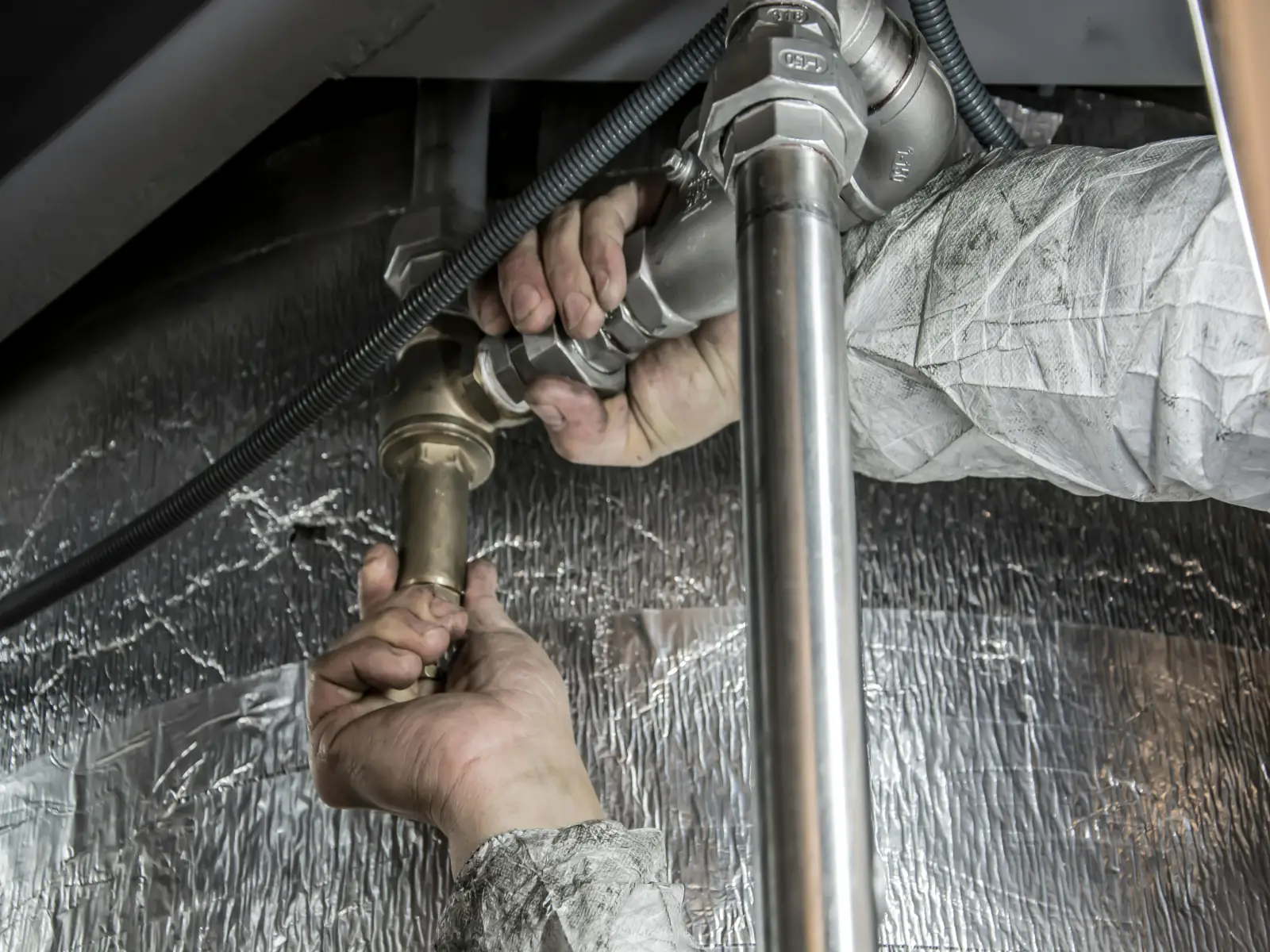
Where plumbing leads get lost
Urgent calls, job-site distractions, and scattered inboxes create gaps. Customers want fast answers and quick scheduling — not voicemail and callbacks.
Missed calls during job-site work
When techs are on-site, the phone gets ignored and leads go cold.
After-hours emergencies with slow response
Emergency demand spikes at the wrong times — voicemail loses the job.
Follow-up on quotes done inconsistently
Estimates go out, but there’s no consistent cadence to close them.
No reliable system for routing and scheduling
Handoffs get messy and booking turns into back-and-forth.
Missed calls during job-site work
When techs are on-site, the phone gets ignored and leads go cold.
After-hours emergencies with slow response
Emergency demand spikes at the wrong times — voicemail loses the job.
Follow-up on quotes done inconsistently
Estimates go out, but there’s no consistent cadence to close them.
No reliable system for routing and scheduling
Handoffs get messy and booking turns into back-and-forth.
What plumbing teams use Kudjo for
These are the highest-leverage workflows we install first — the ones that directly impact booked jobs, dispatcher load, and after-hours capture.
- After-hours triage that captures details and sets expectations
- Emergency vs non-urgent routing (job type + urgency + geography)
- Quote and estimate follow-up that runs until booked or closed out
- No-show and cancellation recovery with reschedule flows
- Clean handoffs into dispatch/tech notes so jobs start with context
The numbers
In plumbing, emergencies don’t wait — and neither do customers.
Plumbing by the numbers: what missed leads actually cost
Plumbing is one of the most emergency-driven trades. Over 55% of consumers search online before scheduling home services, and for plumbing, these searches overwhelmingly happen during emergencies. This creates urgency that rewards the first responder and punishes the slow one. Live transfer plumbing leads convert at 30–50% because the customer is on the line and exclusive. But shared web form leads — sold to 3–5 plumbers — convert at just 10% or less. The difference isn't marketing spend; it's speed and exclusivity. A plumber who responds in under one minute converts 63% higher than one who waits even five minutes. The cost per lead is rising fast: Google Search Ads now average $70–$75 per lead for plumbing keywords, Google Local Service Ads run $25–$45 per lead, and lead aggregators charge $15–$85 per shared lead. Losing these leads to slow follow-up means you're paying for leads that your competitors close.
Emergency vs. scheduled: why routing matters
Not all plumbing leads are created equal. Emergency calls ($200–$1,500) close the same day with higher conversion but tighter margins. Installations and repiping ($2,000–$10,000) have better margins but longer sales cycles. Kudjo's routing system classifies leads by urgency and job type at the point of intake — so emergencies get immediate dispatch and scheduled work gets a structured follow-up sequence. For emergency plumbing, response time under 30 minutes is critical. For water heater replacements, responding within 2–4 hours is acceptable. For scheduled work, same-day response is the expectation. Kudjo's system applies different response rules to each category, so your team isn't treating a burst pipe the same as a faucet replacement inquiry.
62% more inquiries with AI chat
Around 62% of plumbing and home service businesses report more inquiries after adding chatbots or AI responders to their websites. Chatbots provide instant responses that customers appreciate when facing emergencies, and they capture leads outside of regular office hours without extra staff. Kudjo's Website AI Closer does more than answer FAQs. It qualifies the lead (what's the issue, where are you, how urgent is it), captures contact details, and routes the inquiry into your intake system — all before a human touches it. Over half of mobile searches for local services convert within 24 hours, so capturing those leads instantly is the difference between a booked job and a lost one.
Benchmarks (and sources)
A few widely-cited benchmarks that explain why speed-to-lead and consistent follow-up are the highest-leverage systems in service businesses.
Why Kudjo
Plumbing is high-urgency, high-interruption work. Kudjo installs a repeatable operating system so emergencies don’t depend on someone seeing a missed call in time — and quoting, scheduling, and follow-up stay consistent after the first touch.
- Repeatable workflows installed end-to-end (not DIY software)
- Company Brain: the rules, scripts, templates, and SOPs that keep your team consistent
- Enterprise foundation: Google Vertex AI + Google Workspace (secure, scalable, production-grade)
- Predictable cost: no per-seat SaaS fees as you add staff, trucks, and locations
What we install (the system)
An enterprise-grade intake + follow-up operating system built on Google Vertex AI + Google Workspace — designed around how plumbing teams actually operate, so it reduces manual steps instead of adding more.
Typical plumbing workflows we automate
The audit determines what’s highest-impact, but these are common patterns we implement for plumbing teams.
- After-hours: capture → qualify → schedule next-day call-back
- Emergency requests: route by urgency → confirm availability
- Estimate requests: capture details → quote scope support → follow-up cadence
- Quoting & pricing discipline: minimums, financing triggers, and approval rules
- Scheduling/dispatch handoffs: clean notes, routing, and next-step ownership
- No-shows/cancellations: confirmations + reschedule flows + capacity backfill
- Profit visibility: job-type outcomes and margin leakage reporting
Success Stories
“We stopped relying on someone remembering callbacks. The operating system responded and routed leads even when everyone was on a job.”
Plumbing Owner — Service Business
Metric
Faster response with consistent routing and handoffs
How the engagement works
We start with an audit, then implement a fixed-scope build, and keep improving the system over time.
Integrations (typical)
We adapt to your existing stack and connect the minimum necessary systems so the workflow runs without manual copy/paste.
Outcomes and optional paths
We estimate time saved + revenue at risk during your audit, then track improvements after the system is installed.
- Faster response and more consistent booking and follow-up
- Cleaner quoting and dispatch handoffs that don’t depend on memory
- Optional paths: Sell with monthly payout (can become a structured acquisition) or Expansion partnership
Resources (Plumbing blog)
Latest plumbing posts (updated as you publish new Drive posts).
FAQ
Common questions plumbing owners ask before booking an audit.