

BookMore HVACJobs with Kudjo
Kudjo installs enterprise-grade AI systems — a repeatable operating system that responds instantly, routes leads cleanly, and keeps follow-up running until the job is booked.
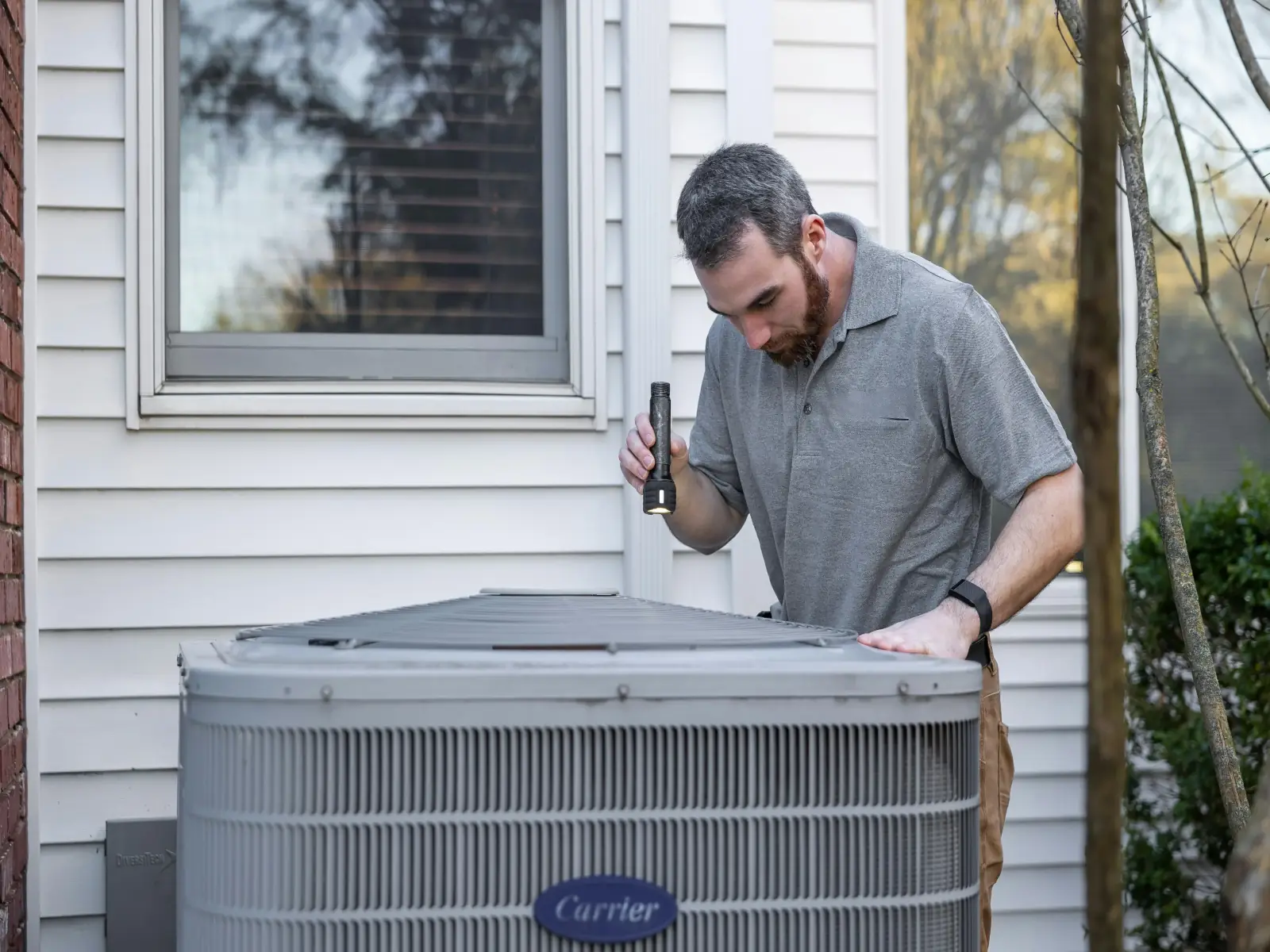
Common HVAC lead leaks
When the phone rings during dispatch chaos or after-hours, leads stall. When follow-up is manual, quotes sit and customers move on.
Missed calls and after-hours inquiries
Dispatch chaos delays follow-up, so leads cool off.
Slow response to web forms and texts
If speed-to-lead drifts, customers call the next company.
Quotes sent without a follow-up system
Estimates go out, but nobody owns the cadence to close them.
No clean handoff from call → quote → booking
Details get lost and scheduling becomes avoidable back-and-forth.
Missed calls and after-hours inquiries
Dispatch chaos delays follow-up, so leads cool off.
Slow response to web forms and texts
If speed-to-lead drifts, customers call the next company.
Quotes sent without a follow-up system
Estimates go out, but nobody owns the cadence to close them.
No clean handoff from call → quote → booking
Details get lost and scheduling becomes avoidable back-and-forth.
What HVAC teams use Kudjo for
These are the highest-leverage workflows we install first — the ones that directly impact booked jobs, margin, and dispatcher load.
- After-hours answering that captures details and sets expectations
- Service vs install routing (job type + urgency + geography)
- Quote follow-up that runs until booked or closed out
- Financing prompts and next steps for replacements
- Seasonal surge mode (heat waves / cold snaps) without losing leads
The system Kudjo installs
A repeatable operating system for intake, routing, follow-up, and handoffs — designed around your current tools and your real dispatch constraints.
An enterprise-grade intake + follow-up operating system built on Google Vertex AI + Google Workspace — designed around how HVAC teams actually operate, so it reduces manual steps instead of adding more.
What changes after install
You get a system that runs the same way every time — even when the team is busy. The Company Brain keeps policies, scripts, and decision rules consistent.
The real cost of missed HVAC calls
HVAC businesses are uniquely vulnerable to missed calls. Technicians spend their days in attics, on rooftops, and inside mechanical rooms — places where answering a phone is either unsafe or impossible. An HVAC contractor loses an average of $180 per missed call, with emergency calls valued at $900 or more. About 40% of HVAC calls occur after standard business hours when most offices are closed. Data from analysis of 50,000+ contractor calls in 2025 shows that 62% of calls go unanswered across all trades, with answer rates dropping to just 35% during peak afternoon job hours. For an HVAC company receiving 15 inbound calls per day, that's approximately 9 missed calls daily — 47 per week, or 2,444 per year. A quick calculation illustrates the damage: if your average ticket is $400 and you miss just 2 calls a week, that's $800 a week, over $3,000 a month, and over $40,000 a year. And that's only two missed calls. Most HVAC businesses miss far more than that.
Why speed-to-lead matters more in HVAC
Heating and cooling emergencies are time-sensitive by nature. A homeowner whose AC fails during a Texas summer or whose furnace dies in a January cold snap is not price-shopping — they're calling whoever answers first. And 85% of callers who can't reach a business will not call back. The data is clear: businesses that respond within five minutes are 21 times more likely to qualify a lead than those that wait 30 minutes. Yet 39% of firms take more than 2 hours or never respond at all. In HVAC, where same-day service is the expectation, that gap is fatal to conversion. Kudjo's intake system responds in seconds — not hours. When a call is missed, the system texts back immediately, captures the customer's issue, and routes it to the right person. No lead sits in voicemail waiting for someone to remember to check.
Common HVAC workflow breakdowns Kudjo fixes
These are the recurring failure points we see across HVAC teams — and the specific workflows we install to fix them.
- Morning call surge during dispatch: Calls cluster between 8–10 AM when the office is routing trucks and assigning jobs. Kudjo captures and triages those calls automatically so no lead waits.
- After-hours emergency demand: 40% of HVAC calls happen outside 9–5 hours. Kudjo's after-hours system qualifies the emergency, captures contact info, and either schedules a next-day callback or escalates to an on-call tech.
- Quoting without follow-up: Estimates go out, but follow-up depends on someone remembering. Kudjo runs a structured follow-up cadence — SMS, email, and call reminders at defined intervals — until the quote is accepted, rescheduled, or closed.
- Seasonal feast-or-famine: Summer and winter drive demand spikes, but spring and fall are quiet. Kudjo's customer reactivation system identifies past customers due for maintenance, tune-ups, or filter replacements and sends personalized outreach to fill the slow season.
HVAC industry benchmarks
Key metrics that illustrate why speed-to-lead and consistent follow-up are the highest-leverage systems for HVAC businesses.
Benchmarks (and sources)
A few widely-cited benchmarks that explain why speed-to-lead and consistent follow-up are the highest-leverage systems in service businesses.
Resources (HVAC blog)
Implementation notes, playbooks, and examples from the field.
FAQ
Common questions HVAC owners ask before booking an audit.